Get Basement Floor Sawing
Basement floor sawing services help property owners cut through concrete for foundation repairs, renovations, or new installations, with local contractors handling the job efficiently.
Basement floor sawing services are an essential consideration for property owners planning renovations, upgrades, or structural modifications. Whether preparing a space for new installations, creating access points, or making precise cuts for utility lines, having the right equipment and expertise is key. Property owners in the area often explore basement sawing to ensure their projects are completed accurately and efficiently, minimizing disruption and ensuring a solid foundation for future work.
Finding the right local contractors for basement floor sawing involves comparing experienced service providers who understand the specific needs of your project. By exploring options in the area, property owners can identify professionals capable of delivering precise results tailored to their plans. Keep reading to learn more about how local experts can assist with your basement sawing needs and how to connect with the right service providers for your project.
- Commercial Renovations - when existing basement floors require cutting or removal for remodeling projects.
- Foundation Repairs - in cases where concrete needs to be cut to access or reinforce basement foundations.
- New Installations - during the installation of plumbing, electrical, or HVAC systems that require precise floor cuts.
- Waterproofing Projects - when basement floors need to be cut to facilitate drainage or moisture control systems.
- Structural Modifications - for creating openings or enlarging existing spaces within basement floors to accommodate new features.

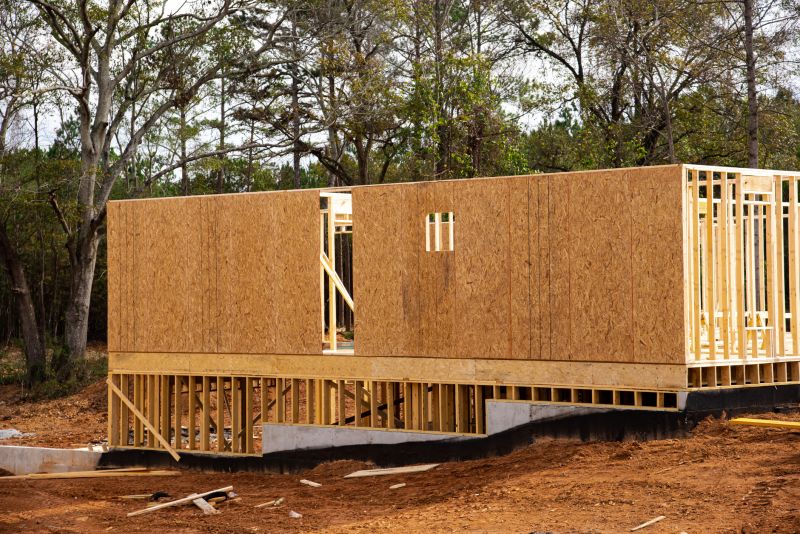
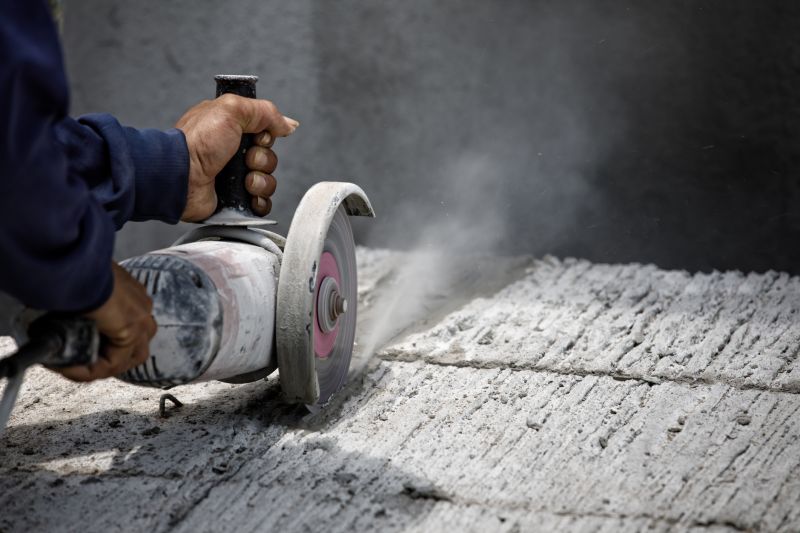
Basement floor sawing services involve the use of specialized equipment to cut through concrete, masonry, or other hard flooring materials in basement areas. This process is typically performed to create openings for new windows, doors, or ventilation systems, or to facilitate the installation of plumbing, electrical conduits, and other utilities. The service requires precise control to ensure clean cuts without damaging surrounding structures, making it suitable for both renovation projects and new construction. Experienced service providers use modern saws and techniques to deliver accurate results, helping to prepare basement spaces for further development or modification.
This service is particularly valuable for addressing common problems such as the need to enlarge existing openings, repair damaged floors, or create access points for utility installations. Basement floors may need to be cut to accommodate new plumbing lines or electrical wiring, or to remove sections of concrete that have become cracked or compromised over time. Additionally, sawing can be used to remove old, deteriorated flooring before installing new surfaces, ensuring a stable and level foundation for finishing work. By enabling precise modifications, basement floor sawing helps property owners resolve structural and utility-related challenges efficiently.
Properties that typically utilize basement floor sawing services include residential homes, especially those undergoing renovations or additions. Multi-unit buildings, such as apartment complexes or condominiums, also frequently require this work for utility upgrades or structural modifications. Commercial properties with basements-such as retail stores, office buildings, or warehouses-may need sawing services to install or repair utility lines, create access points, or modify existing layouts. In all cases, professional service providers are equipped to handle various types of flooring materials and structural requirements, ensuring that the work meets the specific needs of each property.
Homeowners and property managers often turn to basement floor sawing services when planning significant upgrades or repairs. For example, installing new egress windows for safety, creating access points for plumbing repairs, or removing damaged sections of flooring are common reasons to seek professional sawing. This service helps to minimize disruption and ensure that modifications are made cleanly and precisely, reducing the risk of structural issues or damage to surrounding areas. When such work is needed, consulting with local contractors who specialize in basement sawing can help ensure the project is completed effectively, with results that meet the property's functional and safety requirements.
The overview below groups typical Basement Floor Sawing projects into broad ranges so you can see how smaller, mid-sized, and larger jobs often compare in your area.
In many markets, a large share of routine jobs stays in the lower and middle ranges, while only a smaller percentage of projects moves into the highest bands when the work is more complex or site conditions are harder than average.
Smaller Repairs - Typical costs for minor basement floor sawing projects usually range from $250 to $600. Many routine jobs fall within this band, covering tasks like cutting small sections or making simple access points.
Medium Projects - More extensive sawing, such as partial floor removal or larger access openings, generally costs between $1,000 and $3,000. These are common for mid-sized renovations and upgrades handled by local contractors.
Large-Scale Work - Larger projects involving significant demolition or removal of substantial sections of the basement floor can range from $3,500 to $8,000. Fewer projects reach into this higher range, typically for complex or custom jobs.
Full Floor Replacement - Complete basement floor replacements with sawing and removal can cost $10,000 or more depending on size and complexity. Such extensive work is less common and usually reserved for major renovations or structural repairs.
Actual totals will depend on details like access to the work area, the scope of the project, and the materials selected, so use these as general starting points rather than exact figures.
Concrete Cutting for Foundations - This project involves precise cutting and removal of concrete slabs, utilizing skills similar to basement floor sawing to ensure accurate dimensions and clean edges.
Floor Demolition Services - Demolition of existing flooring structures requires specialized tools and planning, paralleling the techniques used in basement floor sawing to prepare for new installations.
Slab Sawing and Removal - Local contractors perform slab sawing to cut through thick concrete, a task closely related to basement floor sawing in terms of equipment and expertise.
Core Drilling for Utilities - Creating precise openings in concrete for plumbing or electrical conduits involves skills in core drilling that are often used alongside basement floor sawing projects.
Concrete Resurfacing Preparation - Preparing existing concrete surfaces for resurfacing or coating requires cutting and grinding techniques similar to those used in basement floor sawing.
Parking Lot Concrete Cutting - Cutting large sections of concrete in parking lots involves similar planning and tools as basement floor sawing, often performed by the same types of service providers.
When comparing service providers for basement floor sawing, it’s important to consider their experience with similar projects. A contractor who has successfully handled basement floor sawing jobs comparable in scope and complexity is more likely to understand the specific challenges involved. Asking about their past work can provide insight into their expertise and whether they have the necessary skills to deliver quality results. While the site introduces homeowners to local options, verifying a contractor’s background helps ensure that the chosen professional has a proven track record in projects like yours.
Clear, written expectations are essential when selecting a basement floor sawing service provider. A reputable contractor should be able to provide detailed descriptions of their process, the materials they use, and the scope of work involved. This clarity helps prevent misunderstandings and ensures that both parties are aligned on what will be delivered. Homeowners should seek out service providers who communicate their approach openly and are willing to answer questions, as this transparency often indicates a professional who values clarity and customer understanding.
Reputable references and good communication are key factors in choosing the right local contractor for basement floor sawing. References from previous clients can offer valuable insights into the contractor’s reliability, quality of work, and professionalism. Additionally, a service provider who maintains open lines of communication and responds promptly to inquiries demonstrates a commitment to customer service. While the site functions as an introduction point to local options, it’s advisable for homeowners to gather this information directly from potential contractors to make an informed decision based on experience, clarity, and communication.
Property owners use Basement Floor Sawing services for practical projects around their homes and businesses. This guide focuses on everyday jobs and straightforward project options.
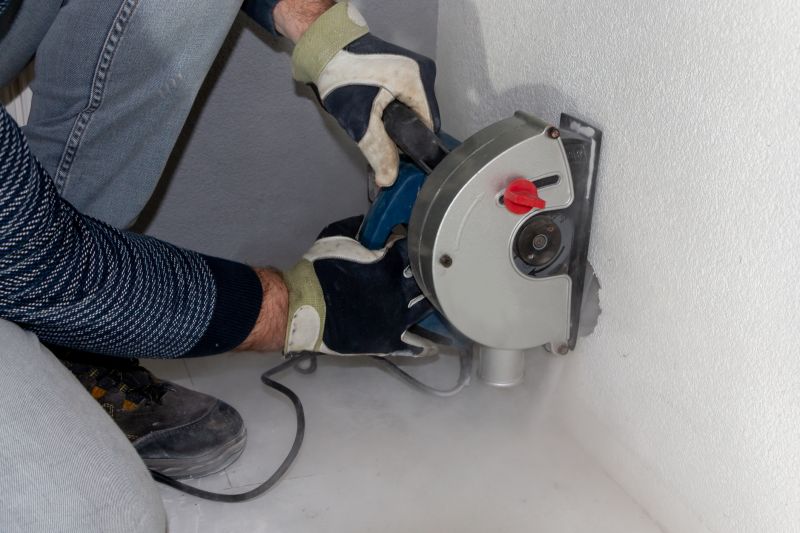
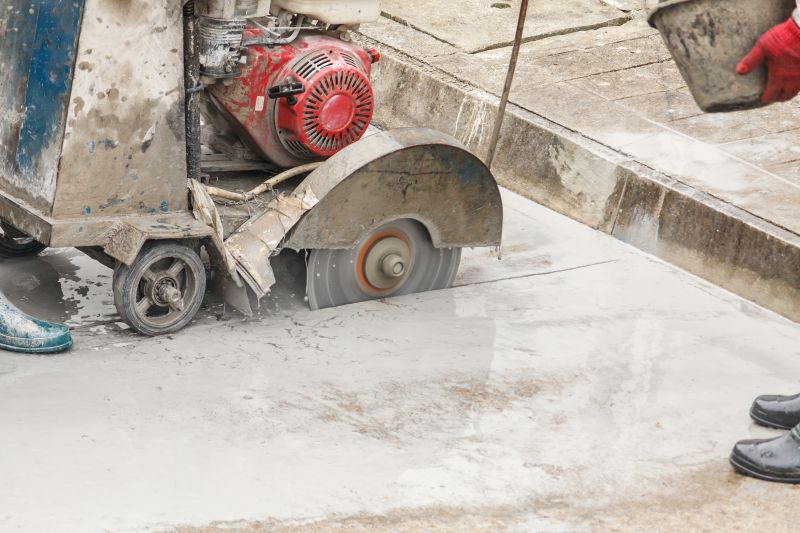
Basement floor sawing services are often needed during home renovations, basement finishing projects, or when installing new flooring. Property owners may require precise cuts to create openings for windows, doors, or utilities, or to remove damaged sections of concrete. Local contractors that specialize in floor sawing can help ensure these modifications are done accurately and efficiently, minimizing disruption to the rest of the property.
Additionally, property owners might seek basement floor sawing when preparing for waterproofing or foundation repairs. Cutting into concrete slabs can be necessary to access underlying structures or to install drainage systems. Local service providers are equipped to handle these tasks, providing the necessary equipment and expertise to support a variety of project needs around the home or commercial space.
What is basement floor sawing used for? Basement floor sawing is typically used to create openings for plumbing, electrical access, or to remove sections of concrete for renovations or repairs.
What types of saws are used for basement floor cutting? Service providers often use wall saws, slab saws, or hand-held saws depending on the size and scope of the project.
Is basement floor sawing suitable for all types of concrete? Most local contractors can handle various concrete types, but it's best to consult with a professional about specific conditions.
What safety precautions are involved in basement floor sawing? Professionals typically use appropriate protective gear and follow safety procedures to ensure a safe working environment during sawing.
How do service providers prepare for basement floor sawing projects? Contractors assess the area, determine the best equipment, and plan the cutting process to minimize dust and disruption.
Basement Renovations - Local contractors can assist with cutting precise openings in basement floors for new plumbing, electrical, or HVAC installations.
Foundation Repairs - Property owners needing to access or replace damaged sections of basement flooring can rely on experienced service providers for safe and effective sawing.
Waterproofing Projects - When installing drainage systems or sump pumps, sawing through basement floors allows for proper placement and integration of waterproofing features.
Flooring Installations - Preparing a basement for new flooring may involve cutting through existing concrete to create level surfaces or access utilities, handled by local pros.
If you are thinking about Basement Floor Sawing for a property, this guide is meant to help you understand the work, the typical project types, and how different options might fit your plans.
When you are ready, you can use the quote form on this page to share a few details about your project. From there, local pros can review the basics and respond with options that match what you have in mind.